10 Easy Tips for Modern Urban Living

10 Easy Tips for Modern Urban Living
City life moves fast. Streets stay loud. Homes stay small. Minds stay busy.
Yet, the right choices can turn chaos into calm. This guide shares simple, proven ideas that help you live better without changing your city—or your budget.
Why Modern Urban Living Feels Hard Today
Life in cities looks exciting from the outside. Tall buildings. Bright lights. Endless options. But inside, it feels heavy.
Small apartments limit movement. Noise steals peace. Screens steal time. Many people feel tired before the day even starts.
Smart urban design experts from Harvard and WHO agree on one thing: homes must support mental balance, not just shelter. That’s where mindful habits, compact interiors, and intentional routines change everything.
Start with Space, Not Stuff
Every home tells a story. Too much clutter tells a loud one.
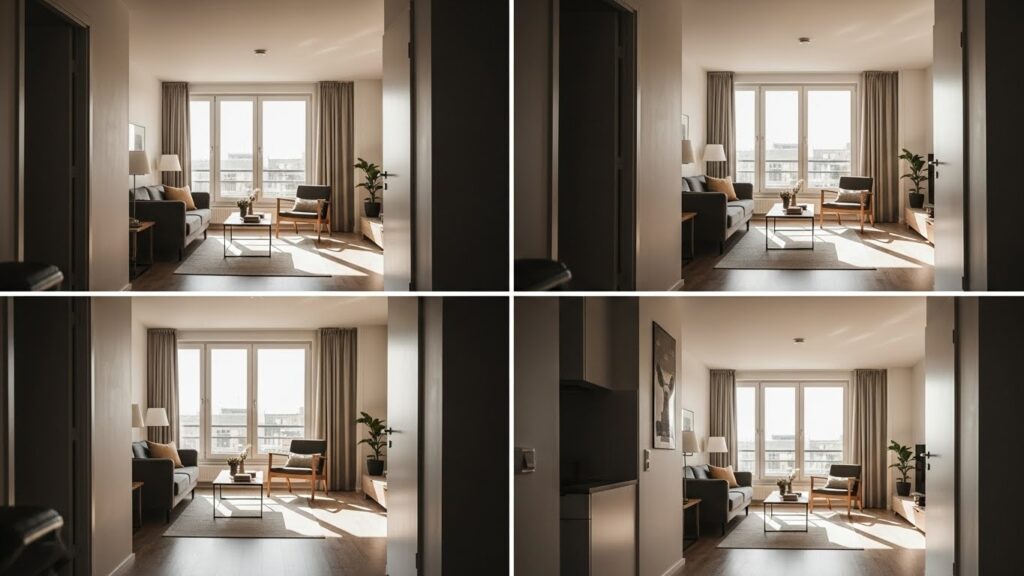
Clear your floor first. Then your shelves. Keep only what you use or love. This simple habit improves focus and lowers stress, according to studies by UCLA’s Center on Everyday Lives. In Modern Urban Living, where space is limited and life moves fast, breathing space makes small homes feel larger and calmer.
That breathing space creates the base for quiet luxury home décor. Imagine entering a home that feels serene, elegant, and effortlessly stylish. This style avoids loud trends and heavy design. It values intention, balance, and quality—perfect for modern city homes.
Quiet luxury blends comfort with sophistication. Minimalist furniture, soft natural tones, and thoughtful accents work together to support Modern Urban Living, where peace is a daily need, not a bonus.
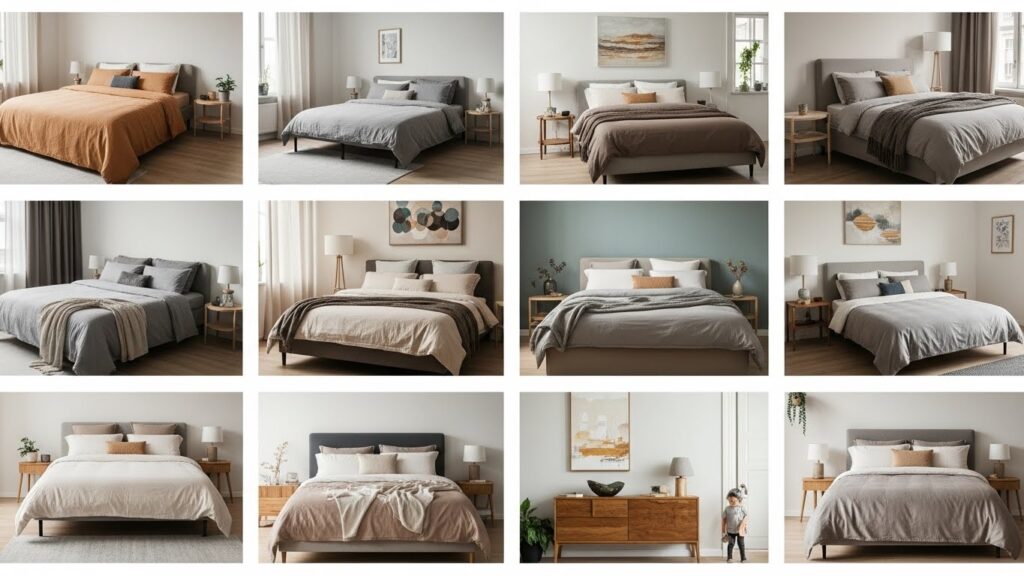
Colors shape how a space feels. Cool shades like blue, sage green, and soft gray calm the mind. Warm tones such as beige, terracotta, and blush pink add comfort. When designing spaces for Modern Urban Living, gentle colors and clutter-free layouts help homes feel open, grounded, and easy to live in.
Let Natural Light Lead the Way in Modern Urban Living
Light changes mood faster than furniture.
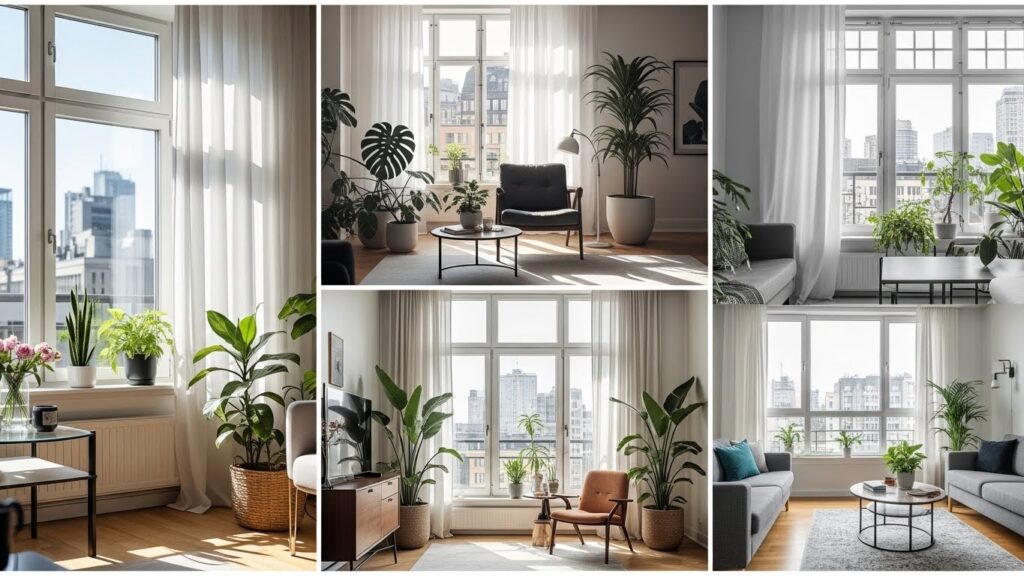
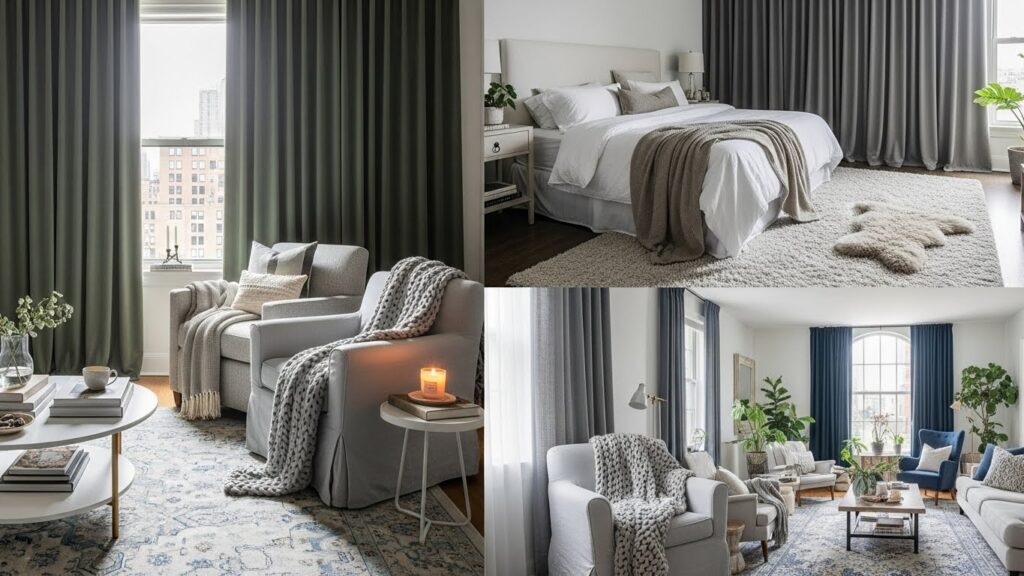
Open curtains daily. Use sheer fabrics. Place mirrors across windows. Natural light boosts serotonin and improves sleep cycles, confirmed by sleep research from Johns Hopkins.
Dark homes drain energy. Bright homes restore it.
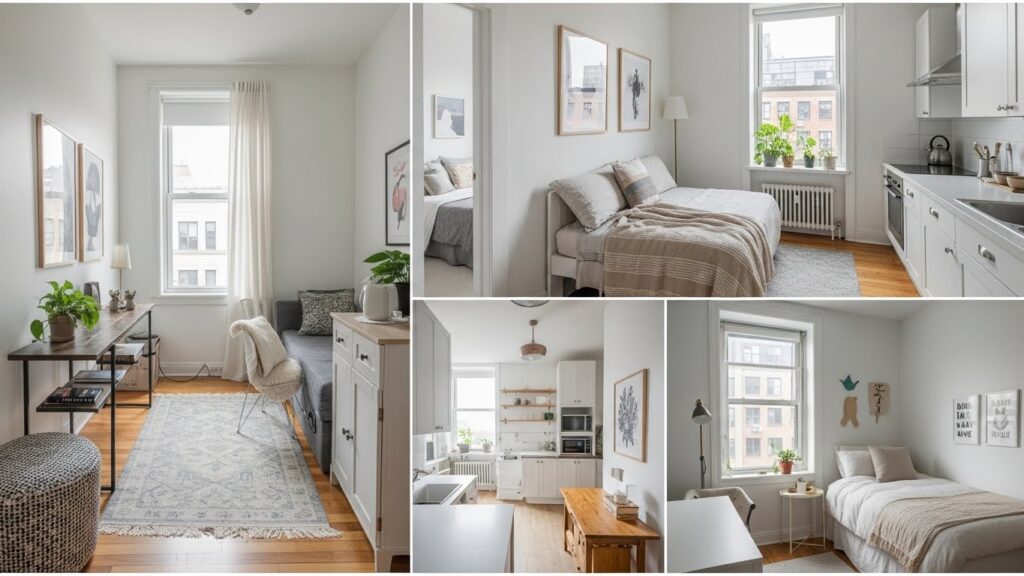
Choose Multi-Functional Furniture
In city homes, every item must earn its place.
Pick beds with storage. Ottomans that open. Foldable dining tables. This strategy comes straight from Scandinavian urban design principles.
Less furniture. More freedom.
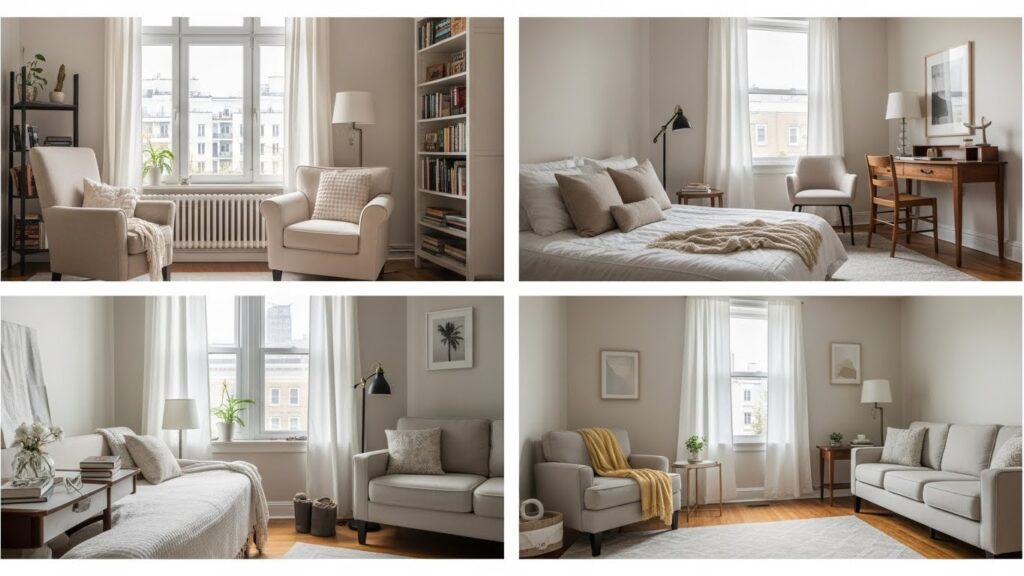
Create One Quiet Corner for Modern Urban Living
You don’t need silence everywhere. Just one calm spot.
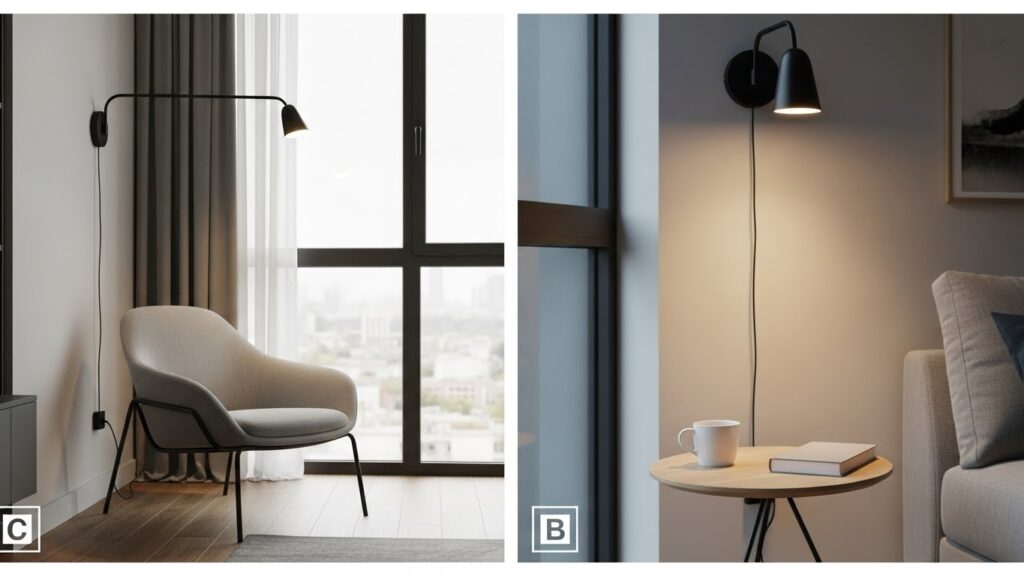
A reading chair. A prayer mat. A meditation stool. This corner becomes your mental reset button.
Psychologists recommend personal calm zones to reduce anxiety in dense environments.
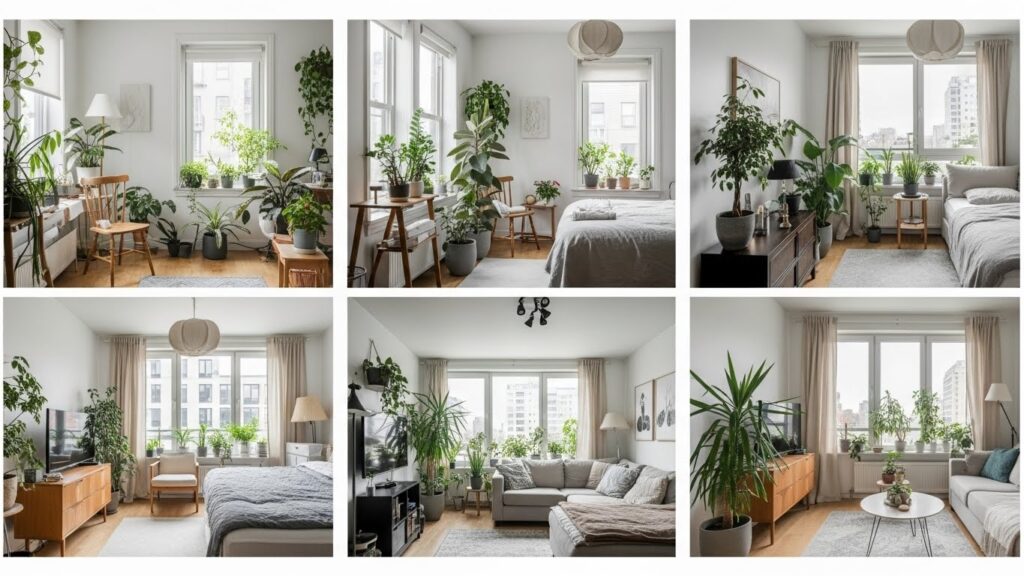
Bring Nature Indoors
Concrete surrounds you, but life thrives in the green you bring indoors. Indoor plants—like snake plants, pothos, and peace lilies—not only purify the air but also reduce stress, a fact backed by NASA research. In the midst of sharp city edges, these plants create pockets of calm, connecting your home to the natural world.
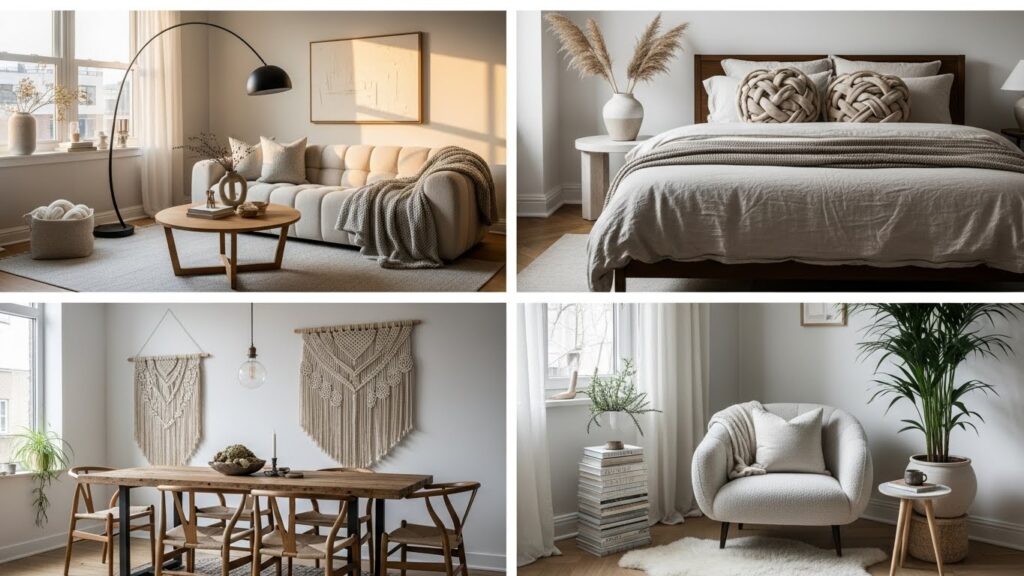
This love for nature doesn’t stop at plants. Quiet Luxury Home Decor thrives on natural materials—wood, stone, marble, and linen—which complement greenery perfectly. Imagine a marble countertop beside a vibrant pothos, wooden shelves lined with small indoor plants, or linen curtains filtering sunlight onto a leafy corner. These textures and elements work together, softening urban rigidity while emphasizing quality, authenticity, and understated elegance over anything flashy.
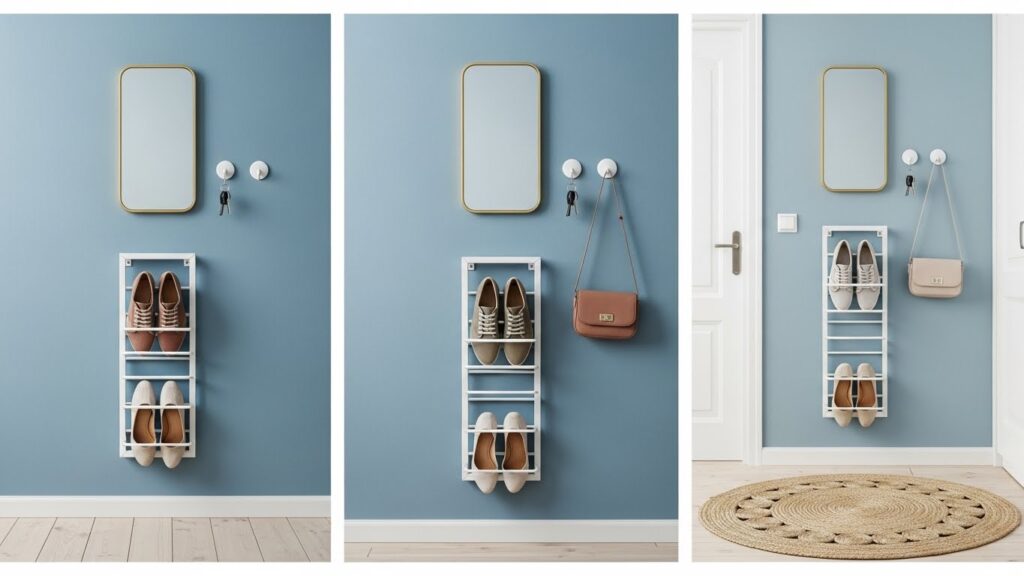
Design for Routine, Not Perfection
Perfect homes feel fake. Functional homes feel real.
Place keys near doors. Keep charging stations simple. Store daily items where you use them. This habit saves time and mental energy.
Urban planners call this “behavior-based design.
Sound Control Matters in Modern Urban Living
Noise causes stress faster than clutter.
Use rugs, curtains, and fabric wall art. These absorb sound. WHO links noise pollution to poor sleep and heart health.
Silence is a luxury you can design.
Keep Technology Intentional
Technology helps. Overuse hurts.
Create phone-free zones. Charge devices outside bedrooms. Use warm lighting at night. Stanford research shows digital breaks improve focus and mood.
Control tech before it controls you.
Style with Neutrals and Texture
Busy cities need calm colors.
Choose beige, soft gray, off-white, and light wood. Add texture through linen, jute, and ceramics. Designers use this method to reduce visual fatigue.
Calm colors create calm minds.
Build Community into Modern Urban Living
Busy city life calls for calm colors. Shades like beige, soft gray, off-white, and light wood instantly soften a space, while textures—linen, jute, and ceramics—add depth and interest without overwhelming the eye. Designers rely on this palette to reduce visual fatigue and create a serene backdrop in the heart of urban living.
Calm colors don’t just please the eye—they calm the mind. Layering in personal elements, like a carefully chosen sculpture, a meaningful photograph, or a rare book, brings warmth and personality to minimalist interiors. The key is subtlety: these accents make a home feel lived-in and luxurious without adding clutter.
By combining a soothing color palette, tactile natural materials, and thoughtful personal touches, you achieve the essence of Quiet Luxury Home Decor—a home that is elegant, calm, and unmistakably yours. This approach balances minimalism with luxury, making every room feel intentional, serene, and uniquely personal.

Final Thoughts on Modern Urban Living
City life doesn’t need to drain you.
With smart choices, small homes become strong shelters. Calm habits turn noise into rhythm. These tips don’t demand luxury—only intention.
Urban living works best when homes support the human inside them.
High-Authority References
- World Health Organization – Urban Mental Health Reports
- Harvard Graduate School of Design – Healthy Cities
- Johns Hopkins Medicine – Light and Sleep Studies
- NASA – Clean Air Plant Study
- Urban Institute – Community Wellbeing Research