10 Media Wall TV Stands That Transform Your Living Space

10 Media Wall TV Stands That Transform Your Living Space
Introduction: The Wall That Changed the Room
A living room tells a story. One wall often tells the loudest one. Years ago, a TV sat on a bulky table. Wires showed. Space felt messy. Today, design feels smarter and calmer. A well-planned media wall turns a plain room into a place people remember. That is where Media Wall TV Stands step in.
They blend storage, style, and comfort. They save space. They guide the eye. They help your room feel complete. Interior designers now treat the media wall as a focal point, not an afterthought. This guide walks you through ideas, choices, and smart tips so you can build a wall that fits your life.
Why Media Walls Matter in Modern Homes
Before adding decor, visualize how you want the room to feel. Do you want calm and minimal, or bold and modern? Start by observing your room’s layout, natural light, and focal points. Rearrange your furniture to create better flow and conversation zones—an approach often used in modern living room planning.
Interior designers like HGTV’s Joanna Gaines recommend defining one visual anchor, such as a fireplace, an accent wall, or a large art piece. Build your decor around it to keep the space balanced.
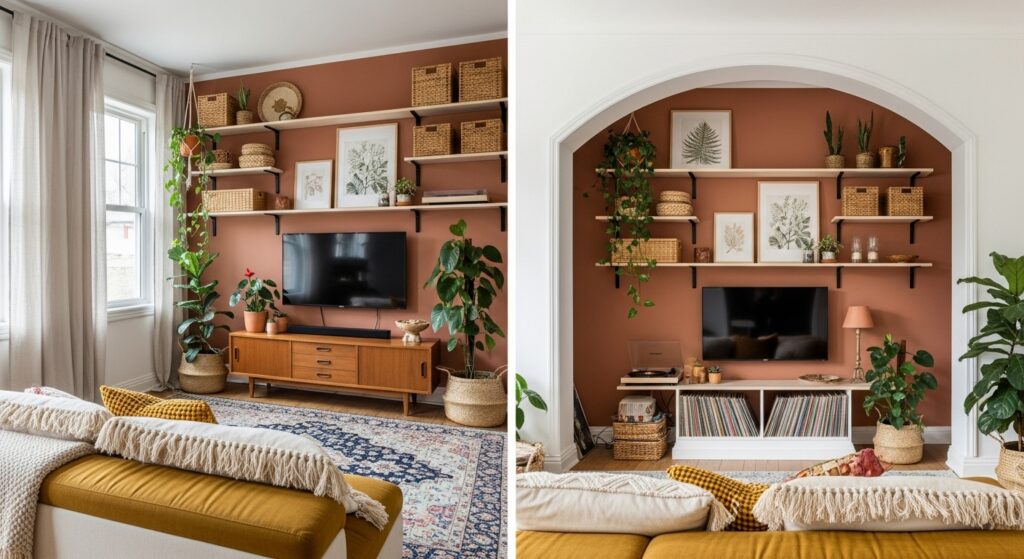
Homes keep getting smaller, while screens keep getting bigger. Media Wall TV Stands solve this problem. They hide cables, balance proportions, and create visual order—making them a smart design choice for any living room.
Many homeowners now choose Media Wall TV Stands because they combine furniture and architecture in one solution. They work well in apartments, open-plan layouts, and family spaces where style and function meet.
Types of Media Wall TV Stands by Style
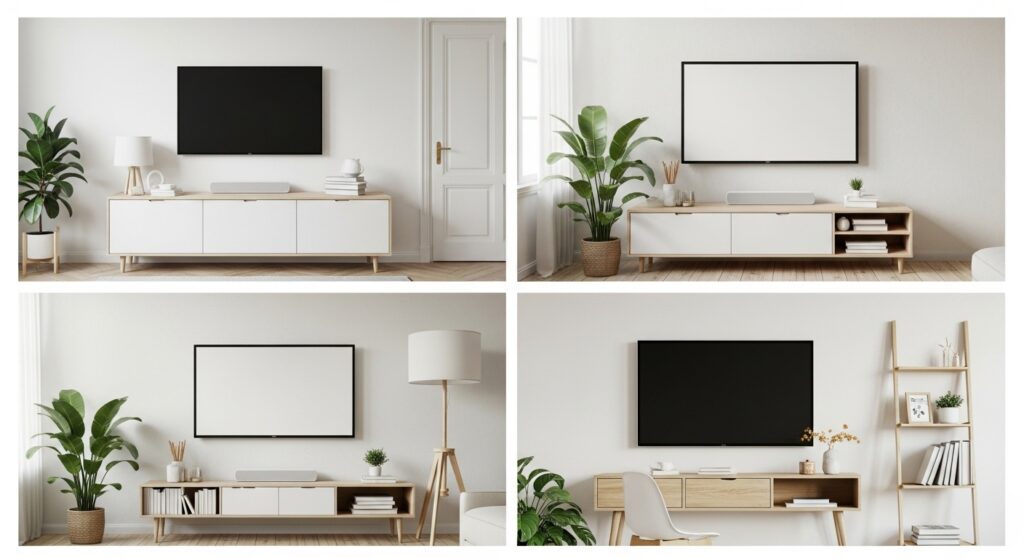
Minimalist and Modern
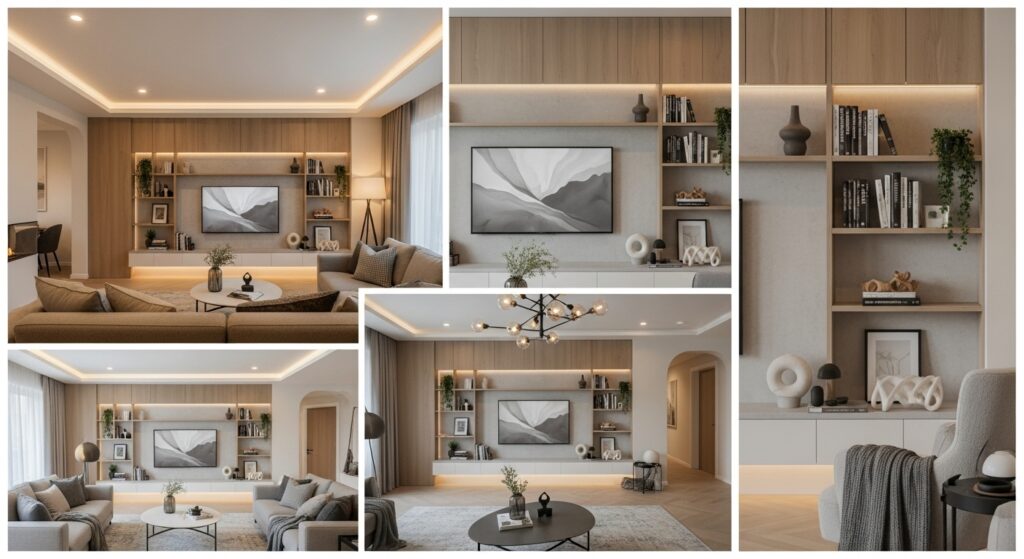
Minimalist designs focus on clean lines and quiet colors. Think matte white, soft gray, or light oak. These walls avoid clutter. Storage stays hidden. The TV blends into the surface.
This style suits urban apartments and modern homes. It pairs well with LED backlighting, floating consoles, and flat wall panels. Many designers recommend this look to reduce visual stress.
Warm Wood and Natural Finishes
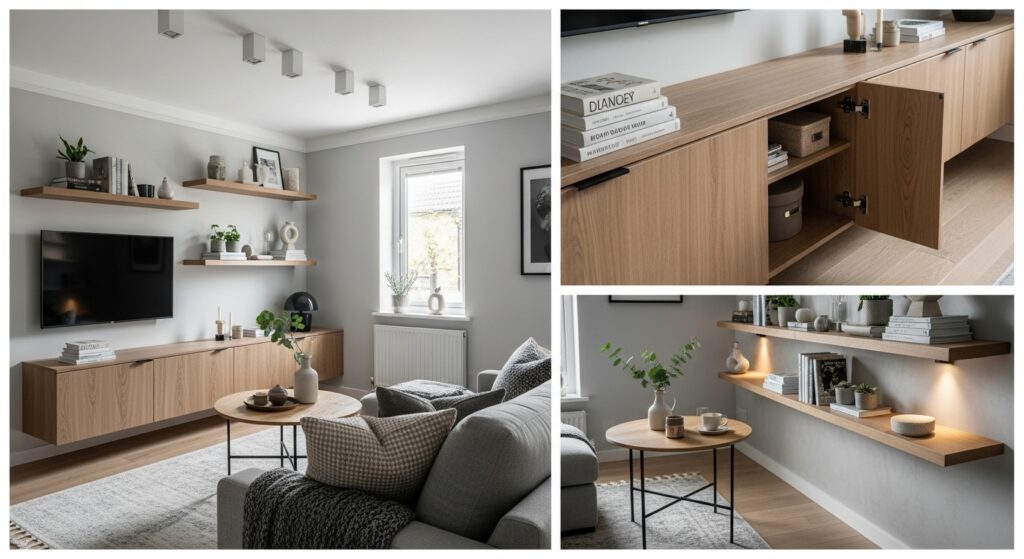
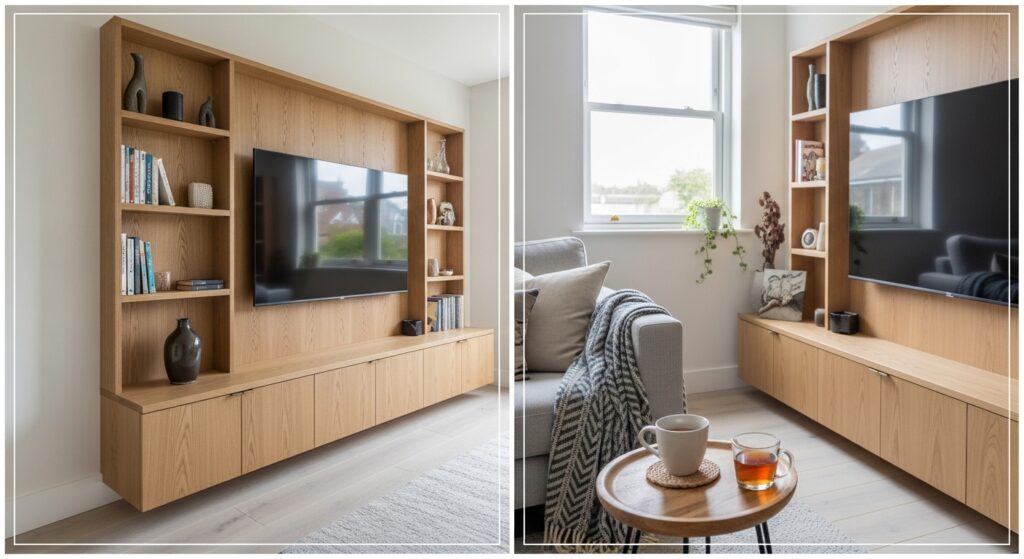
Wood adds comfort. Walnut, oak, and teak finishes bring warmth to tech-heavy spaces. These designs feel inviting, not cold.
Home design experts often suggest wood textures to balance screens and metal elements. Open shelves mixed with closed cabinets work best here.
Luxury and Statement Walls
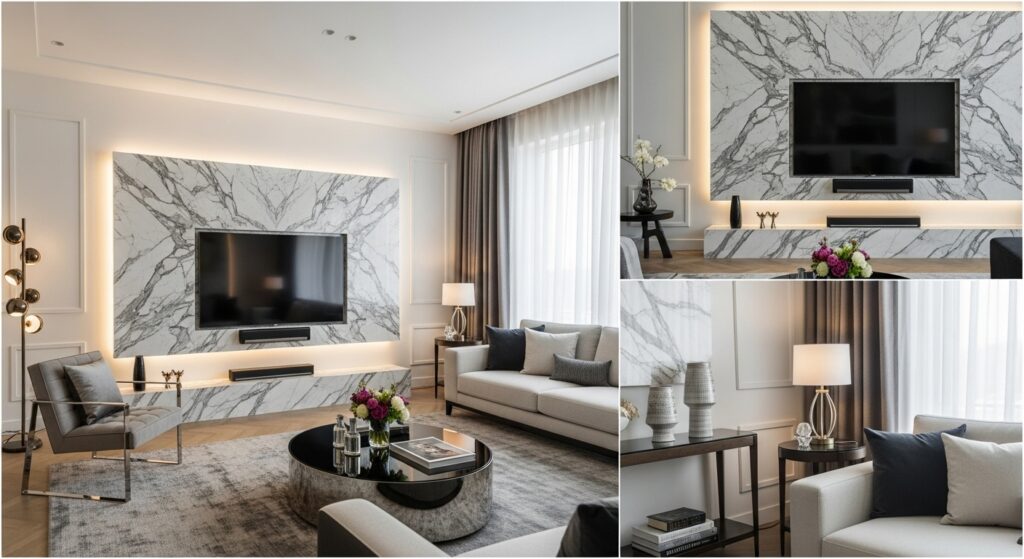
Some walls aim to impress. Marble panels, textured stone, or high-gloss finishes create drama. Accent lighting highlights depth and shape.
High-end homes often use Media Wall TV Stands as statement features. Interior magazines note that layered materials add value and visual interest.
Smart Layout Planning Before You Build
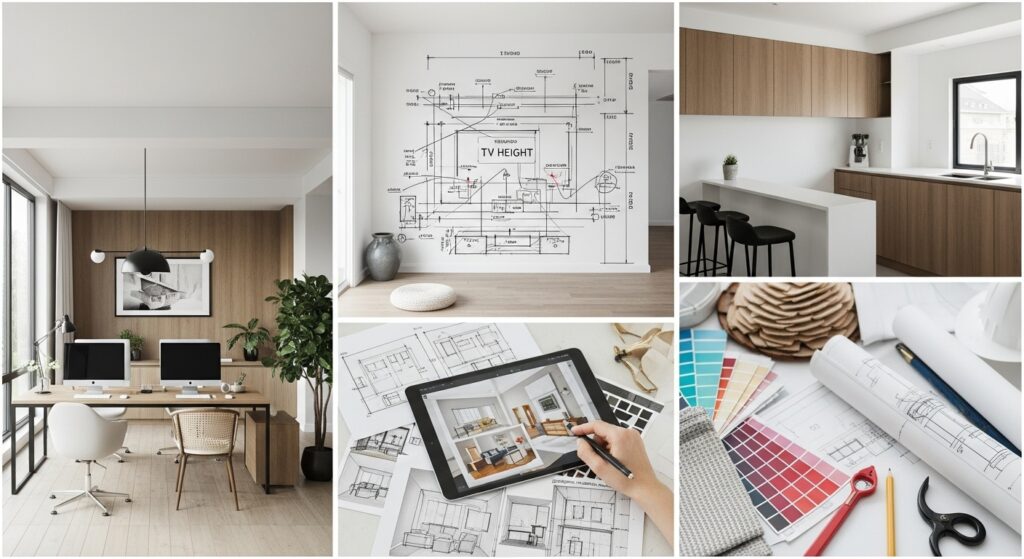
Good design starts with planning. Measure the wall. Check viewing height. Plan seating distance. These steps protect comfort and eye health.
Experts from home ergonomics studies suggest placing the TV at eye level when seated. Storage should stay within easy reach. Heavy items belong in lower cabinets.
Think about daily habits. Do you game? Stream movies? Store books? The layout should match real use, not trends.
Storage That Works Without Looking Heavy
Storage makes or breaks a media wall. Too little creates clutter. Too much feels bulky. Balance matters.
Closed cabinets hide mess. Open shelves add personality. Drawers store remotes, consoles, and accessories. Designers often suggest mixing all three.
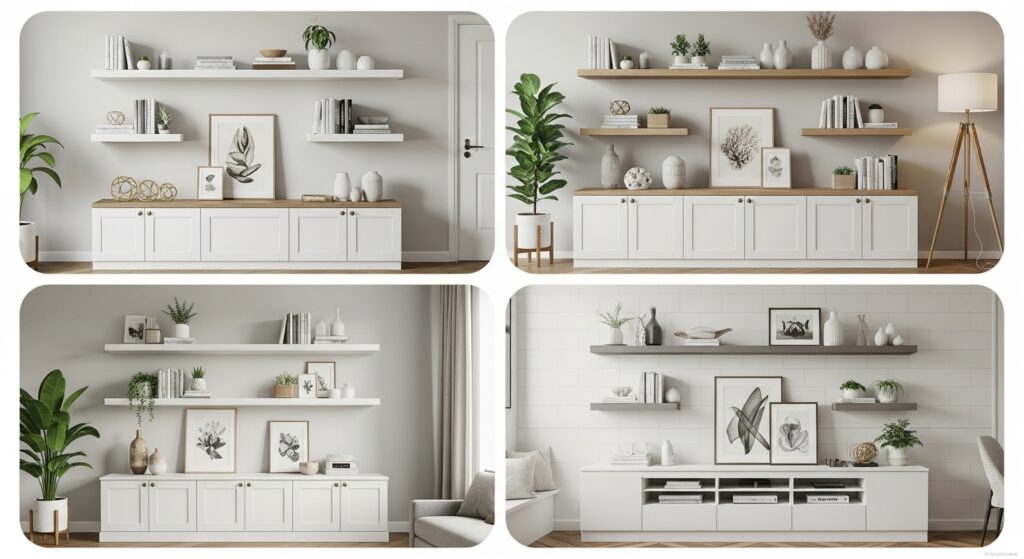
Well-designed Media Wall TV Stands use vertical space wisely. Tall units draw the eye up and make ceilings feel higher.
Lighting: The Detail People Notice First
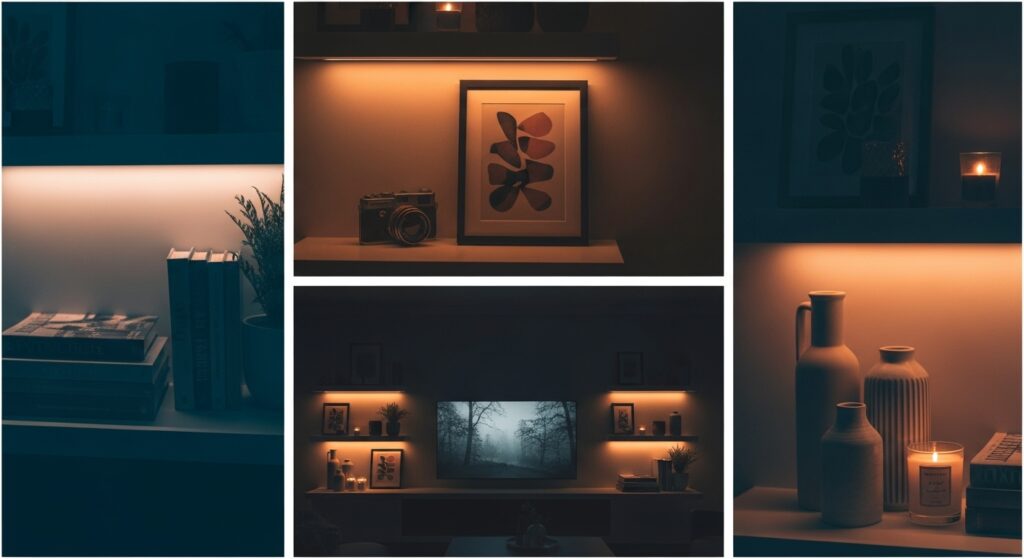
Lighting changes everything. Soft backlighting reduces eye strain. Accent lights add mood. Spotlights highlight textures.
Lighting experts recommend warm LED strips behind the TV for night viewing. Avoid harsh overhead glare. Dimmable systems work best.
This small upgrade often delivers the biggest visual impact.
Materials That Last and Stay Timeless
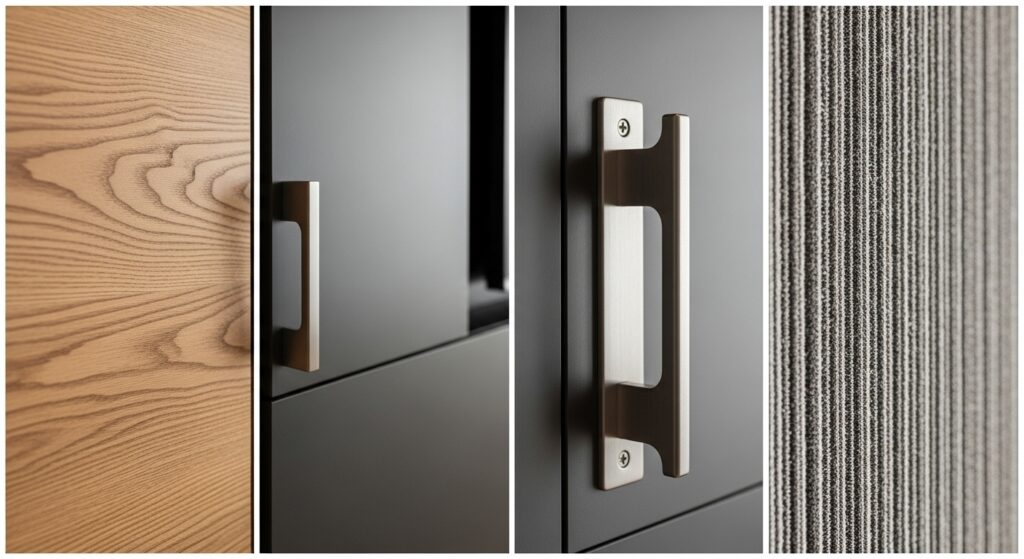
Choose materials with care. MDF works for budget builds. Plywood offers strength. Solid wood adds longevity. Laminates resist scratches. Veneers add style.
According to interior material guides, matte finishes age better than gloss. Neutral tones stay relevant longer. Quality hinges and mounts matter.
A durable media wall saves money over time.
Common Mistakes to Avoid
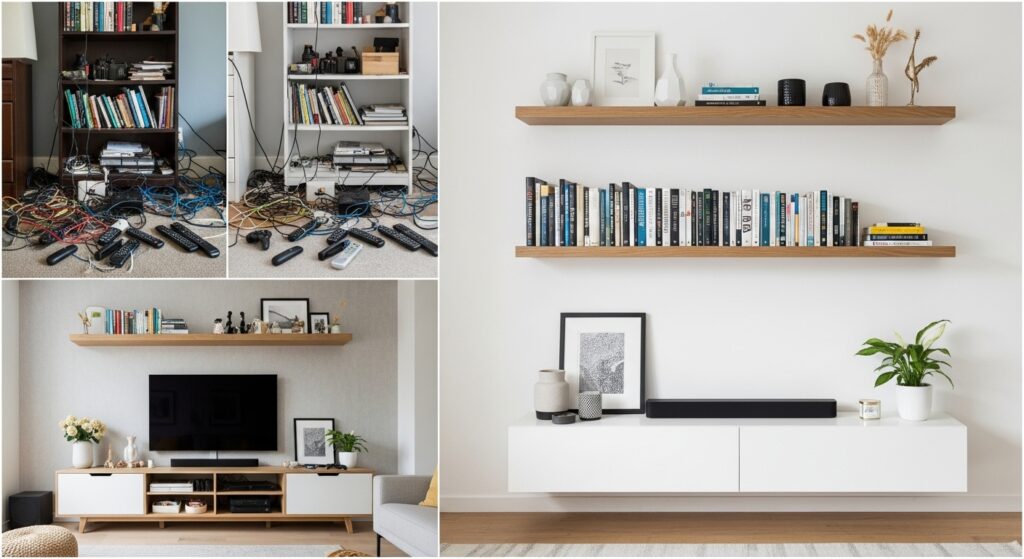
Many people rush this project. That leads to problems. TVs placed too high strain the neck. Poor ventilation overheats devices. Overdecorated shelves feel messy.
Professional installers stress airflow gaps and cable channels. Leave space for future upgrades. Trends change. Structure should adapt.
Avoid copying designs without adjusting them to your room.
How Media Walls Improve Daily Life
A good media wall changes routines. Movie nights feel special. Cleaning feels easier. The room feels calmer.
Families report better organization. Designers note improved room flow. Buyers often see media walls as value-adding features.
Well-executed Media Wall TV Stands blend function with emotion. They support how people live today.

Final Thoughts: Build a Wall That Feels Like Home
Trends come and go. Comfort stays. A media wall should reflect your taste and support your life. Start with function. Add style with care. Choose quality over shortcuts.
When design feels thoughtful, rooms feel right. That is the real power behind Media Wall TV Stands.