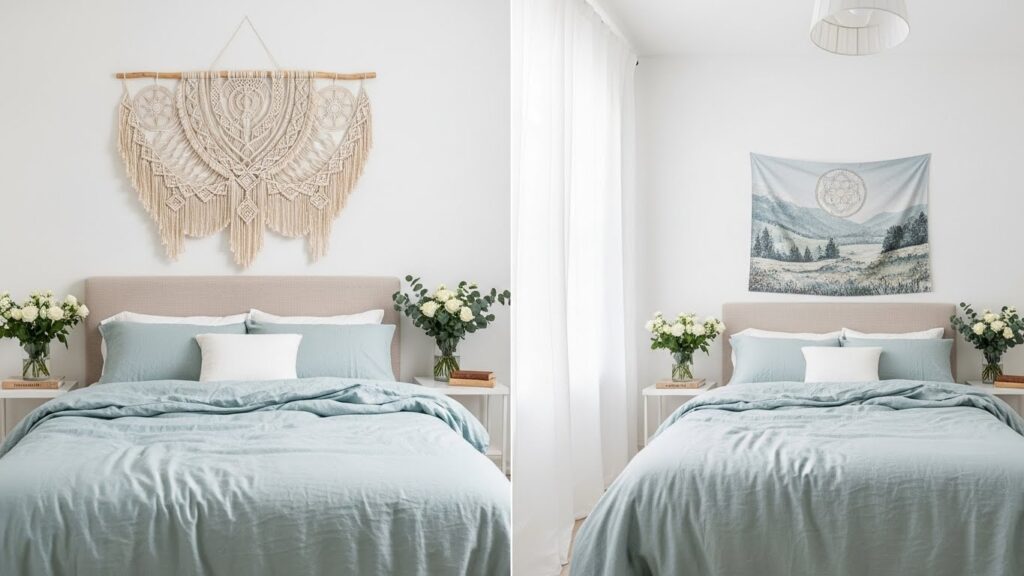
10 Easy Divine Walls

10 Easy Divine Walls
Simple Ways to Create Spiritual Beauty at Home
Introduction: When Walls Begin to Speak
Welcome. If you’ve ever walked into a room and felt something was off, creating a dedicated, peaceful corner can make all the difference. Just as a room’s energy changes with thoughtful decor, a Quran-inspired space can transform a home into a sanctuary.
I grew up in a home where the Quran held a special place, and years later, I discovered a modern version of that same warmth in a Virginia home with clean lines and soft whites. These experiences show that home decor ideas for Quran aren’t about luxury—they’re about creating respect, calm, and connection, blending tradition with contemporary, inviting design.
This guide will walk you through 10 easy and meaningful ways to bring beauty and reverence into your home. We focus on simplicity, U.S. design sensibility, and cultural depth. Each idea emphasizes peace, functionality, and elegance.
A home feels complete when it reflects calm. Furniture helps. Lighting matters. But walls hold the real power. They surround us every day. They see our prayers, our silence, and our routines. Many homes look beautiful, yet still feel empty. Often, it’s because the walls lack meaning.
That is where Divine Walls change everything. By turning plain walls into spaces of calm and faith, you create a home that honors tradition while feeling modern. You don’t need luxury items—just intention, balance, and respect for sacred design.
Whether you’re looking to enhance a Quran corner, add elegant calligraphy, or subtly integrate spiritual decor, Divine Walls and Quranic wall art together create a serene, inspiring home environment.
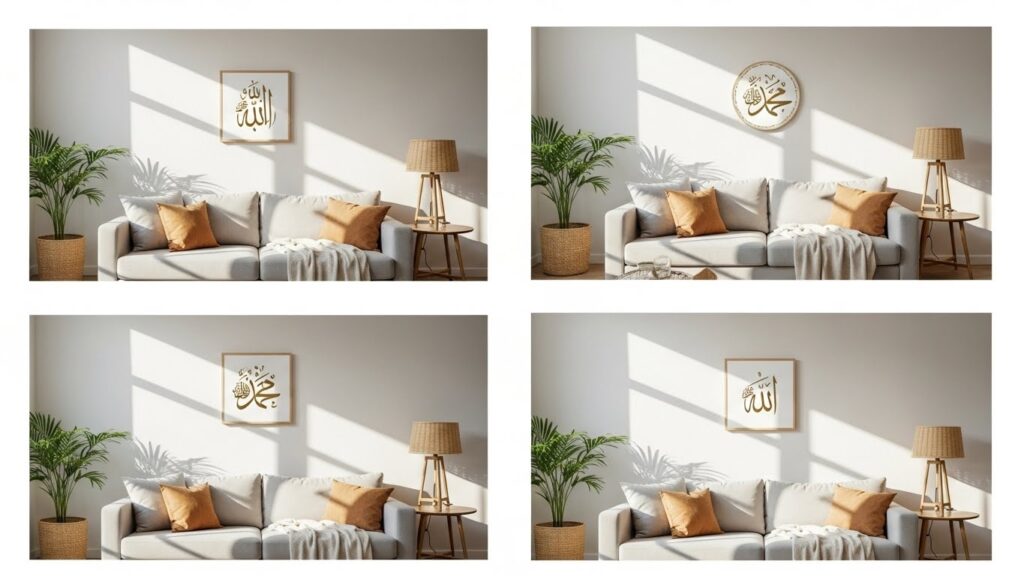
Divine Walls Begin With Intention, Not Decoration
Every spiritual space starts with purpose. Before choosing art or frames, ask one question. What feeling do you want this wall to hold?
Sacred wall design works best when it feels personal. Many designers agree that intention shapes emotional response more than color or size. Studies in environmental psychology show that meaningful visuals increase calm and focus inside homes.
Choose themes like gratitude, remembrance, or patience. This helps your wall guide your mood, not distract it.
Related concepts used by experts include spiritual home decor, intentional interiors, and mindful design principles.
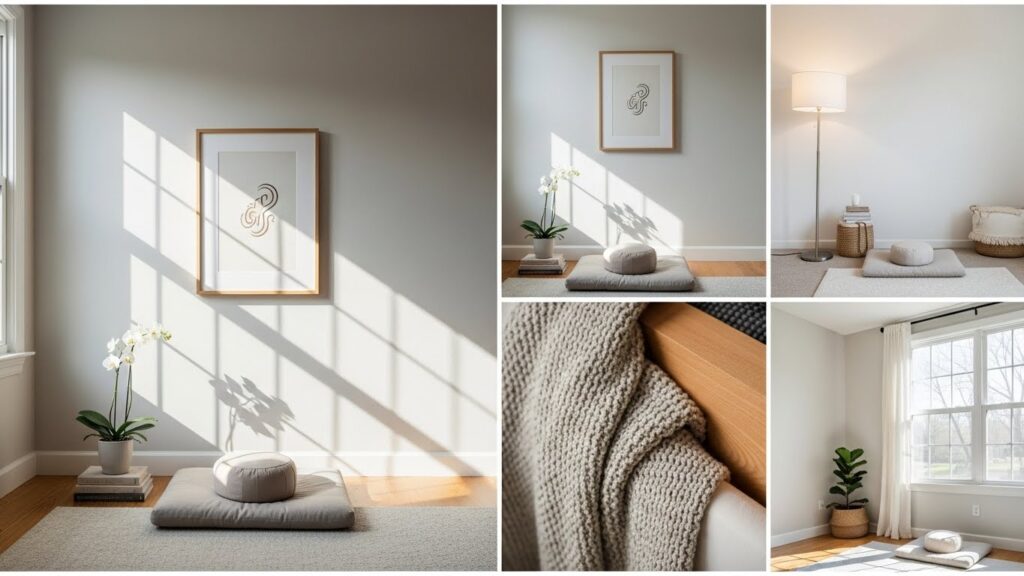
Choosing Verses That Create Calm on Divine Wall
Sacred text belongs on walls when placed with respect. Short verses work better than long passages. They allow the eye to rest and the heart to connect.
Interior scholars often recommend visual breathing space. This means leaving space around text so it feels light, not heavy.
Place verses at eye level. Avoid crowded layouts. Keep the font clean and readable. This practice follows principles shared by Islamic art historians and modern interior stylists.
Popular styles include Arabic calligraphy, modern script art, and minimalist verse frames.
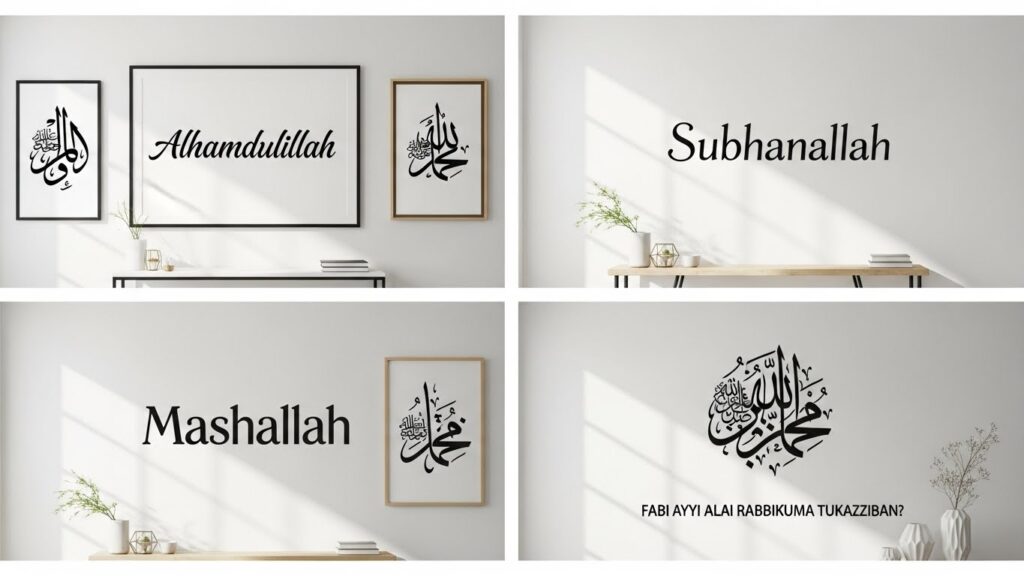
Color Psychology Matters for Divine Walls
Color shapes emotion. Soft colors support reflection. Loud shades break focus.
Design research from color psychology experts shows that white, sand, sage, and muted beige reduce stress levels. These tones work best for spiritual spaces.
Use contrast gently. Dark calligraphy on light walls feels grounded. Gold accents add warmth when used sparingly.
Avoid glossy finishes. Matte textures feel more honest and calming.
Related design terms include neutral wall palettes, calming interior colors, and sacred space aesthetics.
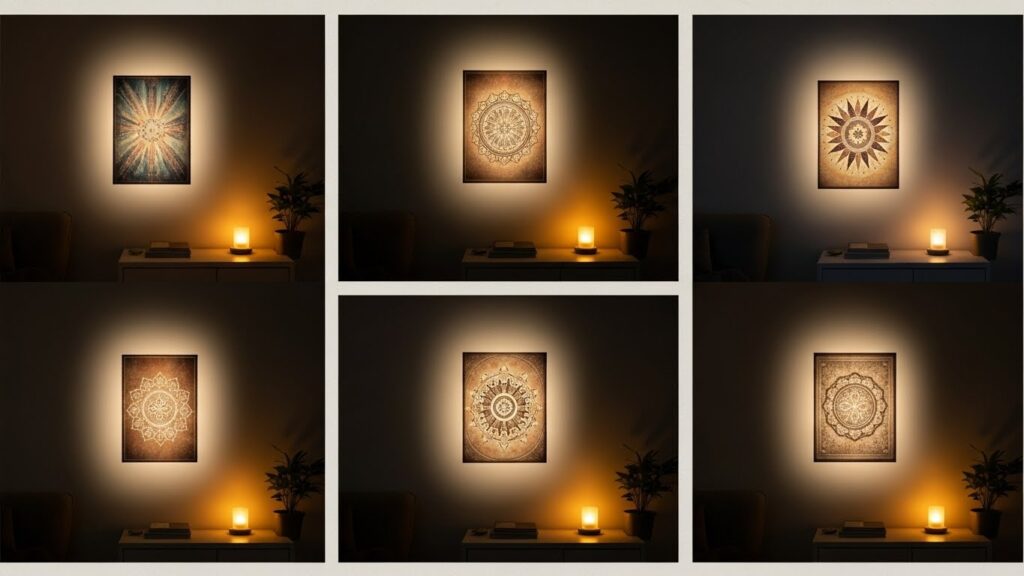
Lighting Turns Divine Walls Into Living Spaces
Light brings life to walls. Without it, even the best art feels flat.
Use warm lighting instead of white bulbs. Wall washers or soft spotlights work well. They highlight without glare.
Architectural lighting experts recommend indirect light for sacred areas. It reduces harsh shadows and creates depth.
Natural light works best during the day. Place spiritual walls near windows if possible, but avoid direct sunlight on framed text.
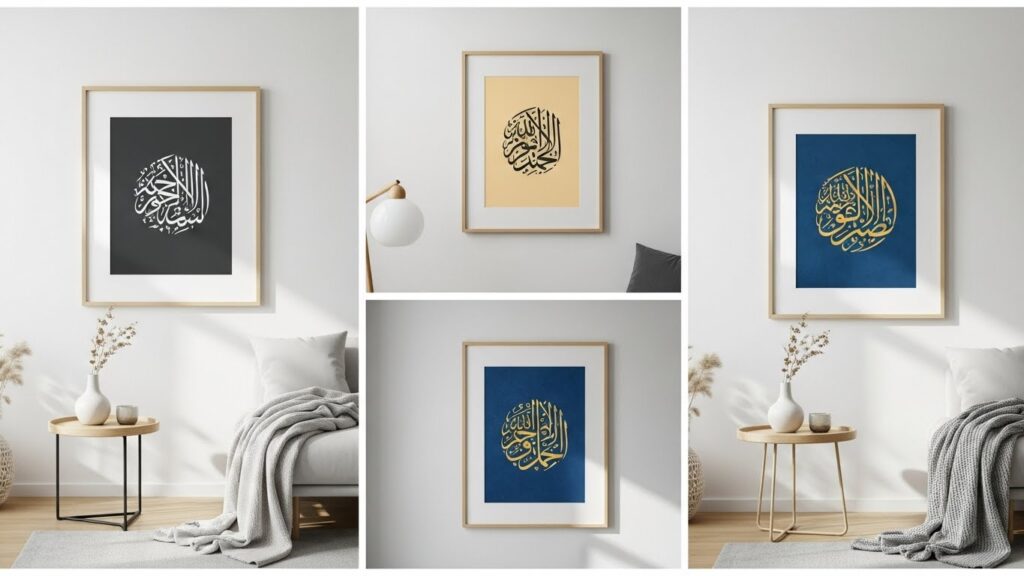
Minimal Styling Keeps Divine Walls Pure
More items do not add more meaning. They often dilute it.
Minimalism aligns well with spiritual design. One strong piece speaks louder than many small ones. This principle appears in both modern interior design and classical sacred architecture.
Avoid mixing too many styles. Keep frames consistent. Use natural materials like wood or metal.
Minimal decor also improves focus and emotional clarity, according to home psychology studies.
Where You Place Divine Walls Matters Most
Location decides impact. Not every wall needs sacred design.
Best places include prayer corners, entryways, quiet hallways, and bedroom feature walls. Avoid placing verses in areas with heavy noise or distractions.
Interior planners suggest placing spiritual decor where the day begins or ends. This reinforces calm routines and mindful habits.
This approach connects design with daily behavior.
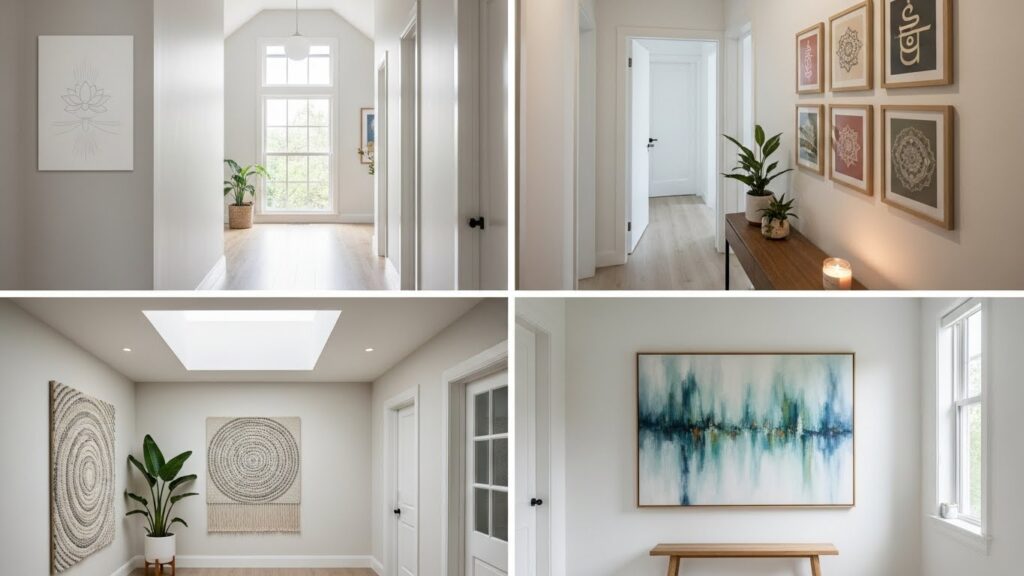
Mixing Culture and Modern Style on Divine Walls
Tradition and modern design can live together.
You can pair classic calligraphy with modern frames. You can mix handmade art with clean walls. This balance respects heritage while fitting today’s homes.
Cultural design experts emphasize authenticity. Avoid mass-produced items with poor craftsmanship. Quality builds trust and meaning.
Use textures like canvas, linen, or carved wood to add depth without clutter.
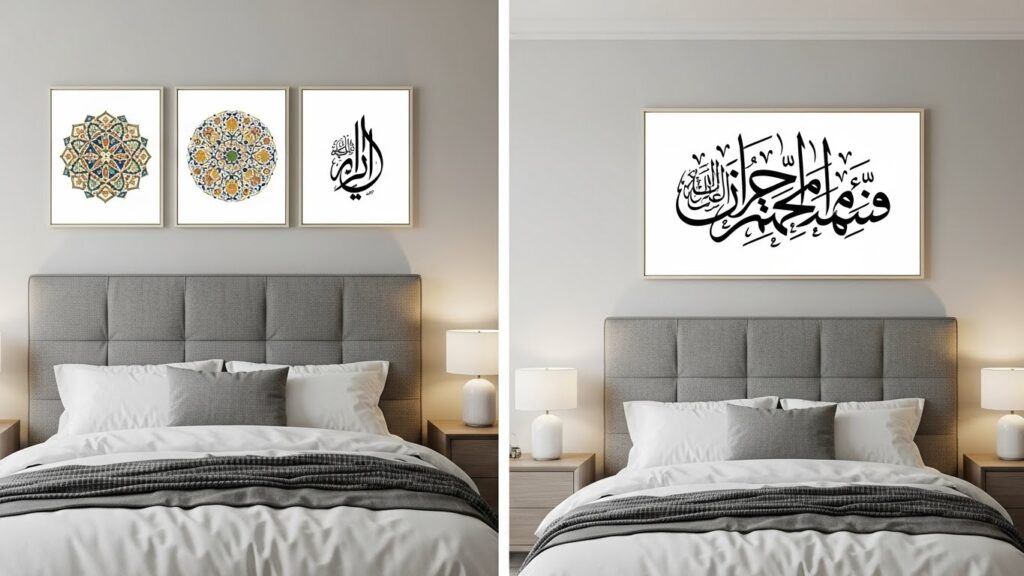
How Divine Walls Support Daily Mindfulness
Walls influence habits more than we notice.
Seeing meaningful words daily builds reflection. This aligns with behavioral psychology research that shows repeated visual cues shape mindset.
A well-designed wall can remind you to pause. It can support gratitude. It can bring quiet strength to busy days.
This is why thoughtful wall design holds long-term value.
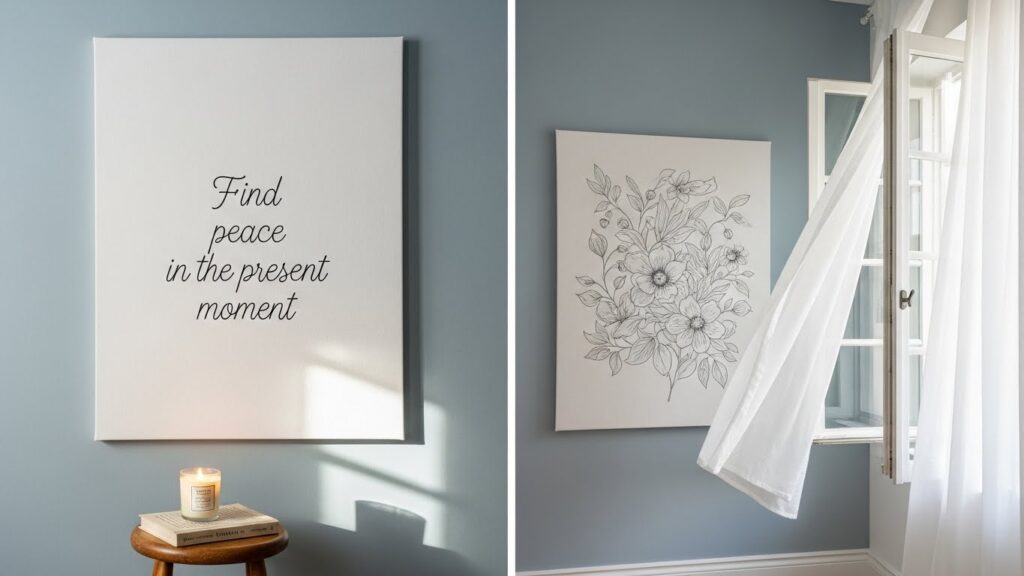
Conclusion: Let Divine Walls Tell Your Story
Walls do more than hold paint. They hold presence.
When designed with care, they become silent guides. They reflect faith without noise. They bring calm without effort.
You do not need expensive decor. You need clarity, respect, and balance.
Let your walls carry meaning. Let them reflect who you are.
That is the true beauty of Divine Walls.